


international call +86 021 51870916 Domestic call +86 021 51870100

The classical experimental method of "controlled variable method" is used to conduct temperature control experiments to verify how much the difference in temperature affects the final result of the specimen.
Laiyuan: Little bald head Shenzhen Kuaiyijian Network Technology Co., Ltd.
The only difference in experiment preparation is the temperature
There are many factors that may affect the blood sample collected by the subject from the completion of blood collection to the loading and transportation to the delivery to the laboratory. The impact of results. We adopted the classic control variable method. In this experiment, all controllable variables were controlled to keep them consistent, except for the only one that was different: temperature.
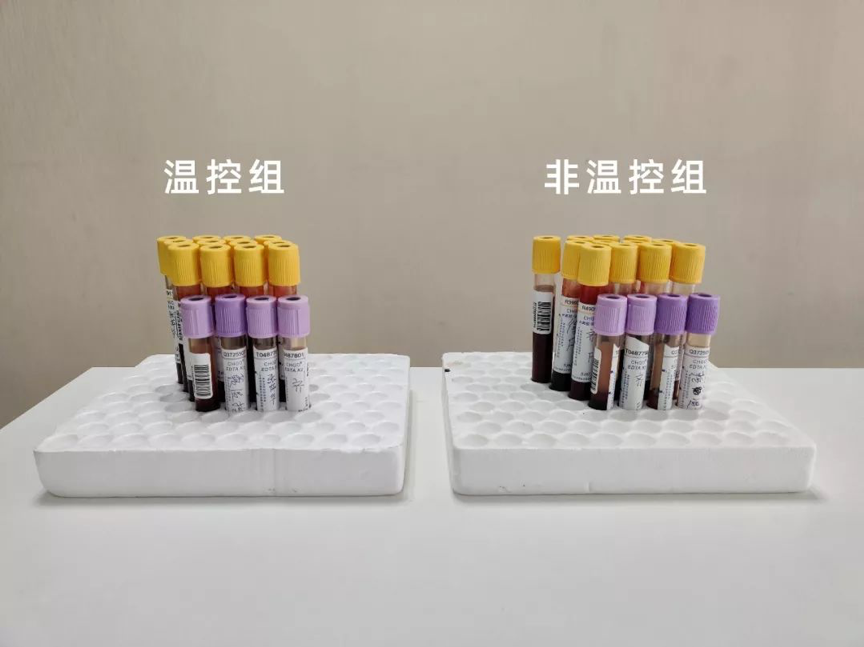
Consistent variable time: Blood was collected from 8 am to 9 am on August 16, 2019, and delivered to the laboratory at 9:18 in the evening. Location: Dr. Li's cooperative clinic in Siming District, Xiamen. Subjects: Mr. Lai, Mr. Xu, Ms. Zhang , Ms. Qi test items: blood routine, blood lipids, blood sugar, liver function, kidney function, electrolytes, myocardial enzyme spectrum, hepatitis B two and a half (quantitative), gastric Helicobacter pylori antibody typing, insulin, thyroid function seven items, C reaction Protein, alpha-fetoprotein, homocysteine, 25-hydroxyvitamin D sample collection: two sets of samples per person, each group contains three yellow tubes and one purple tube. Sample processing: immediately after blood sampling, gently upside down eight to ten times If it is a yellow tube, it will be centrifuged after standing for 30 minutes. Logistics route: Depart from Xiamen Island and arrive at the Fuzhou inspection laboratory via the provincial highway via the provincial highway.
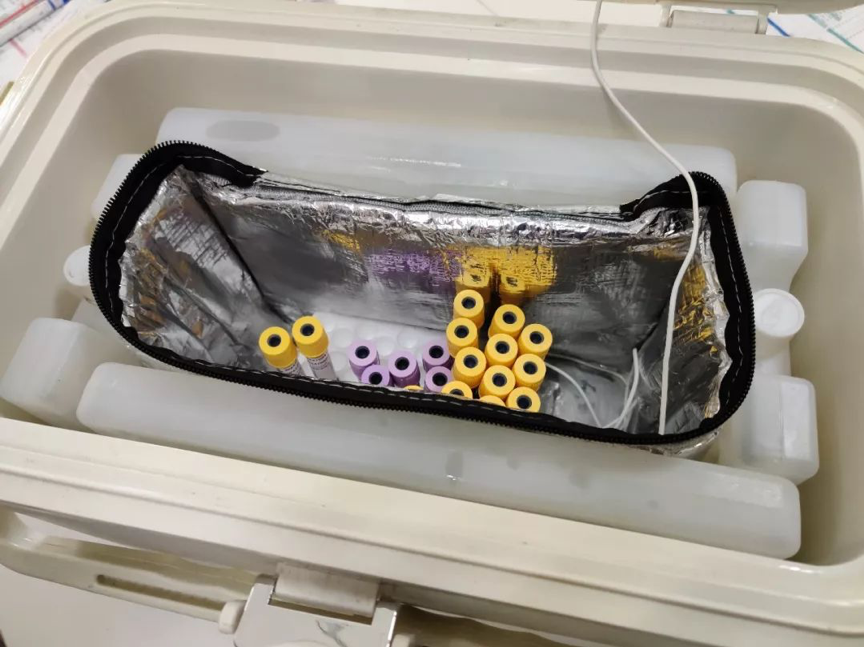
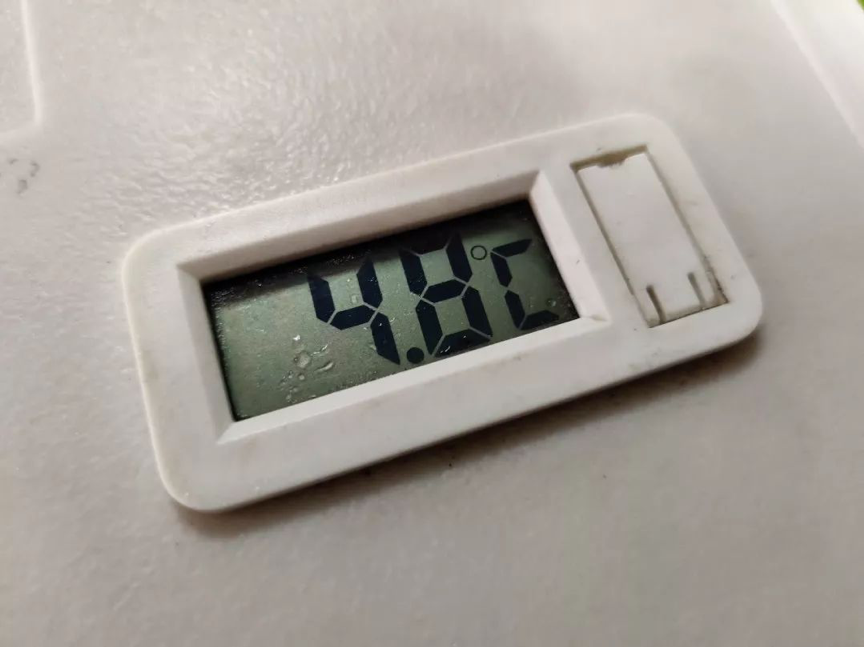
Temperature-controlled specimens: After blood sampling is completed and standard pre-processing (including centrifugation of the yellow tube), it will be stored in a temperature-controlled box until it is sent to the laboratory. The temperature is always maintained between 2-8 degrees, the average temperature 4.8 degrees, the whole journey takes 12 hours and 28 minutes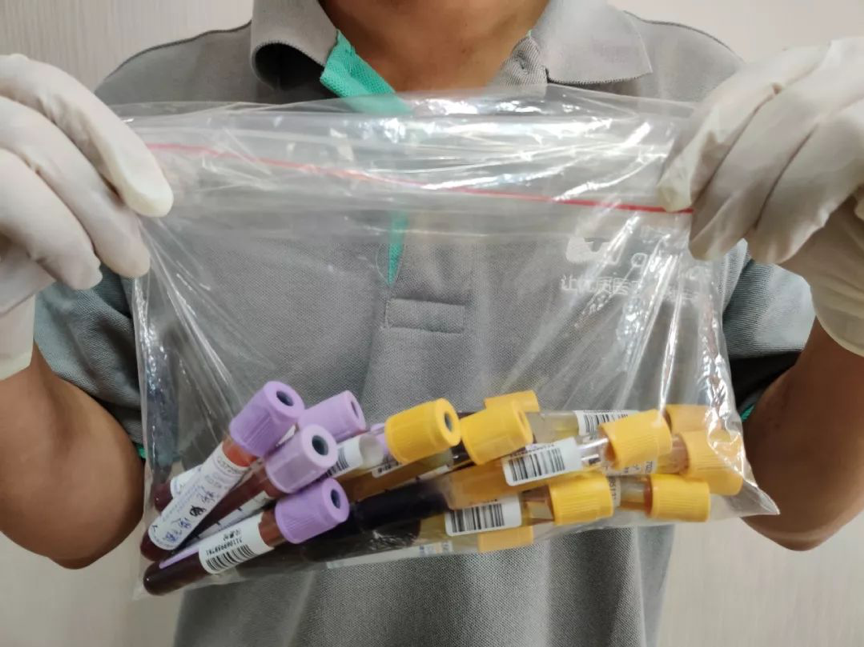
Non-temperature-controlled specimens: After blood collection and standard pre-processing (including centrifugation of the yellow tube), they are placed in a plastic sample bag and stored at room temperature. The outdoor temperature on that day is 26-33 degrees (Xiamen City), and the air-conditioning in the car is turned on Refrigeration, so the actual ambient temperature is lower than the outdoor temperature, and the whole process takes 12 hours and 26 minutes
Experiment process
Random recruitment, tracking throughout
Recruitment: Through voluntary registration, we randomly recruited four volunteer examinees, two males and two females, aged between 34 and 60, in general health and no known major diseases. Blood collection: All volunteers followed the inspection specifications before the experiment. They kept no food after 8 o'clock the day before blood collection. They went to the clinic on the day of blood collection at 8 o'clock in the morning to receive blood collection. Two groups of blood samples were collected at one time, each group containing three yellow tubes. , A purple tube, grouped and marked, and sent for inspection together.
Inspection: Two sets of specimens (a total of 24 yellow tubes and 8 purple tubes) were transported by the same vehicle, the same person, and the same route. They were transferred to the main line at 3:23 pm on the same day and sent to the laboratory, and finally in the province The specimens submitted for inspection from other areas were delivered to Fuzhou Aidikang Laboratory at 9:18 that night, and the inspection personnel on duty signed for the delivery. Inspection: Fuzhou Aidikang Laboratories carried out a unified inspection of all the specimens submitted for inspection on the same day, including the experimental specimens, according to the standard inspection process. Most of the items submitted for inspection were issued an inspection report after one working day. Some special items The report was also issued three working days later. All inspection reports are signed and confirmed by the laboratory to ensure that they are responsible for the accuracy of the inspection results of the specimens submitted for inspection (excluding special handling before submission).
Experimental results
Deviations in 9 items
Account for 60% of all experimental projects
After the laboratory completed the inspection and issued the report, we conducted a pairwise comparison of all eight inspection reports (divided into temperature-controlled and non-temperature-controlled groups, each with four copies), and found that a total of 9 indicators have obvious deviations. It accounts for 60% of all 15 projects, and the per capita deviation rate is 15%.
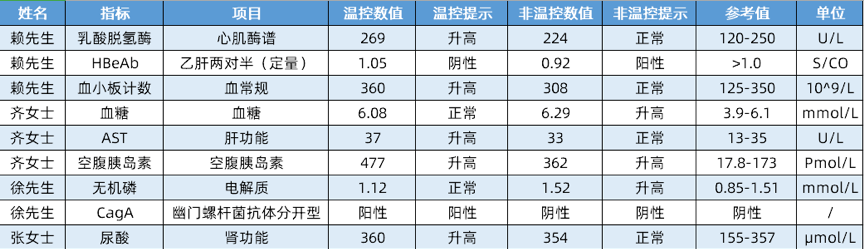
The above table is a breakdown of the data deviation between the temperature control group and the non-temperature control group of the four volunteers, including specific indicators, items, values and instructions.
analyze
Small deviation
It will also affect the diagnosis and medication
From the comparison of experimental results, the absolute value of the difference is not particularly large, but for many projects, even the smallest deviation may change their clinical significance, from positive to negative, from normal to elevated, Specific to each diagnosis and treatment, such changes may affect the final diagnosis and medication. Below we will make a simple analysis of the deviation items of the volunteer examinees one by one to see what possible effects the deviation of the index accuracy will have. Mr. Lai's 38-year-old engineer Deviation items: blood routine, myocardial enzyme spectrum, two and a half (quantitative) of hepatitis B may be missed: myelodysplastic syndrome, chronic myelogenous leukemia, acute infection, myocardial infarction, acute and chronic hepatitis, liver cancer, etc. may be misdiagnosed: Acute hepatitis
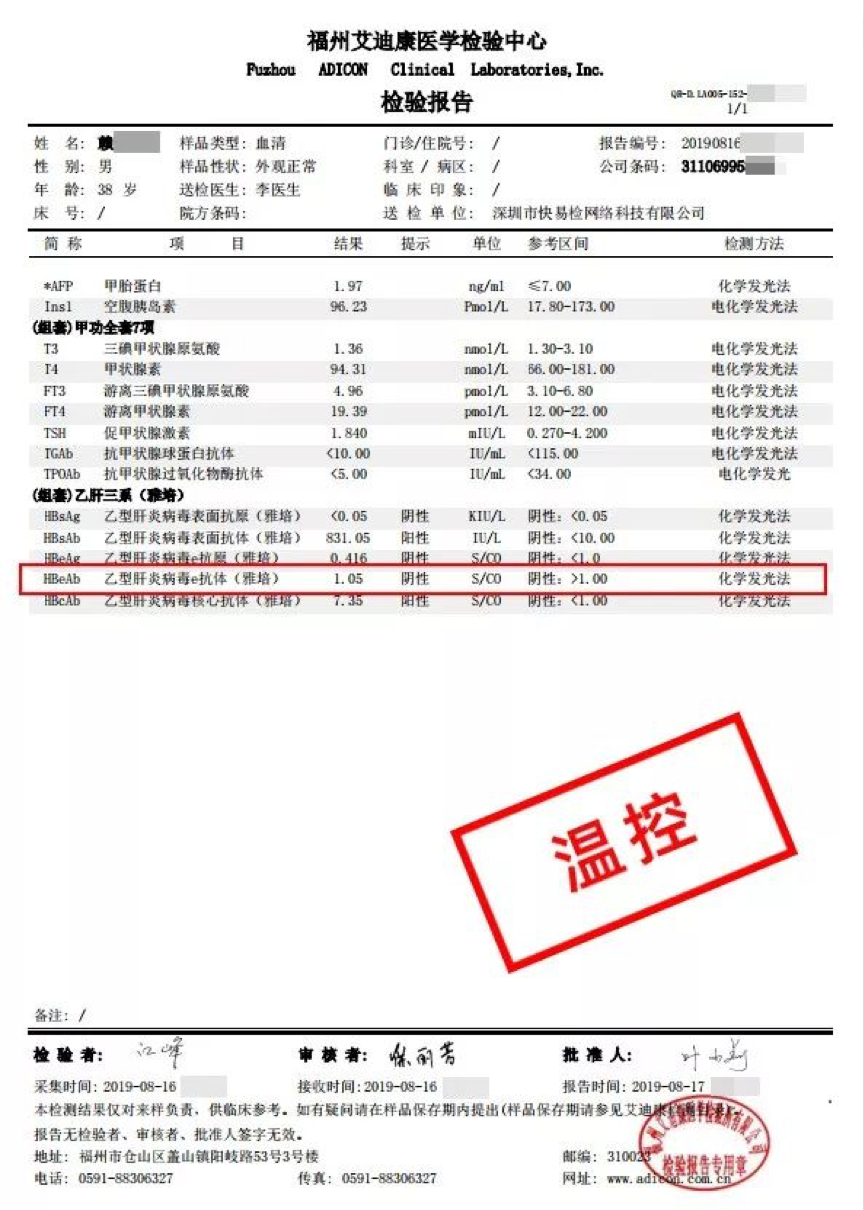
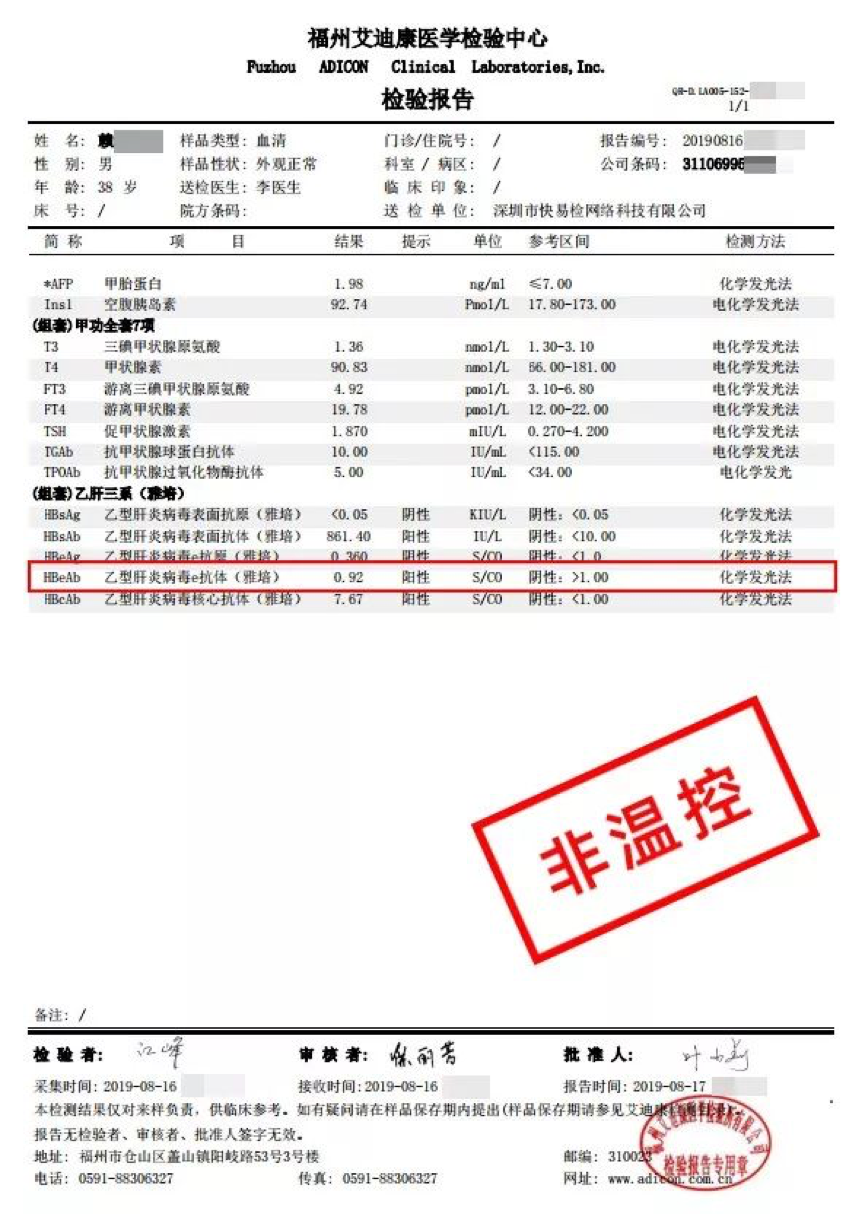
There are three items in Mr. Lai’s report that may have obvious deviations due to transportation not in accordance with temperature control standards. For example, two and a half (quantitative) HBeAb in hepatitis B is negative under temperature control conditions, but changes under non-temperature control conditions. Become positive, and this indicator is very critical in the interpretation of the two-and-a-half hepatitis B report. It is an important indicator for judging the status of hepatitis B virus infection. If there is a false positive, it will have a greater impact on the interpretation of the two-and-a-half combination. Thereby changing the judgment result.
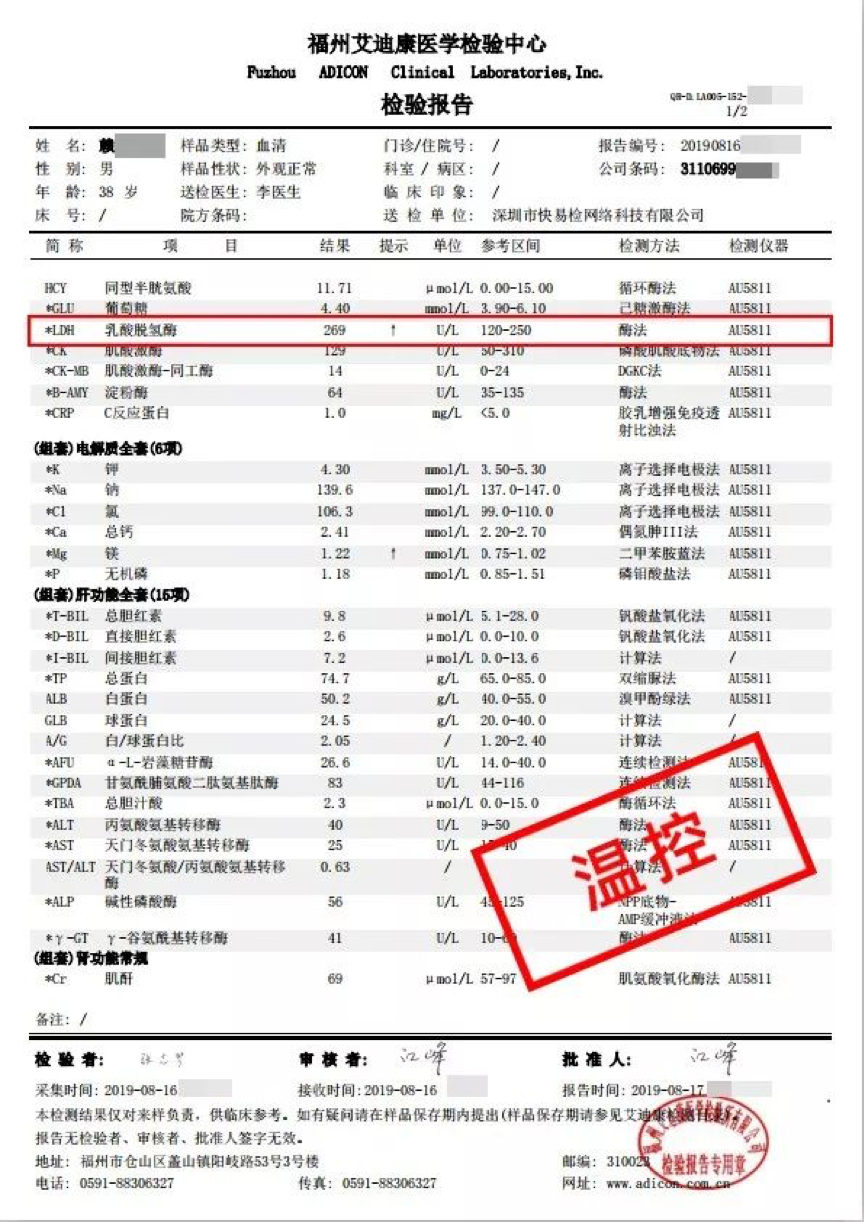
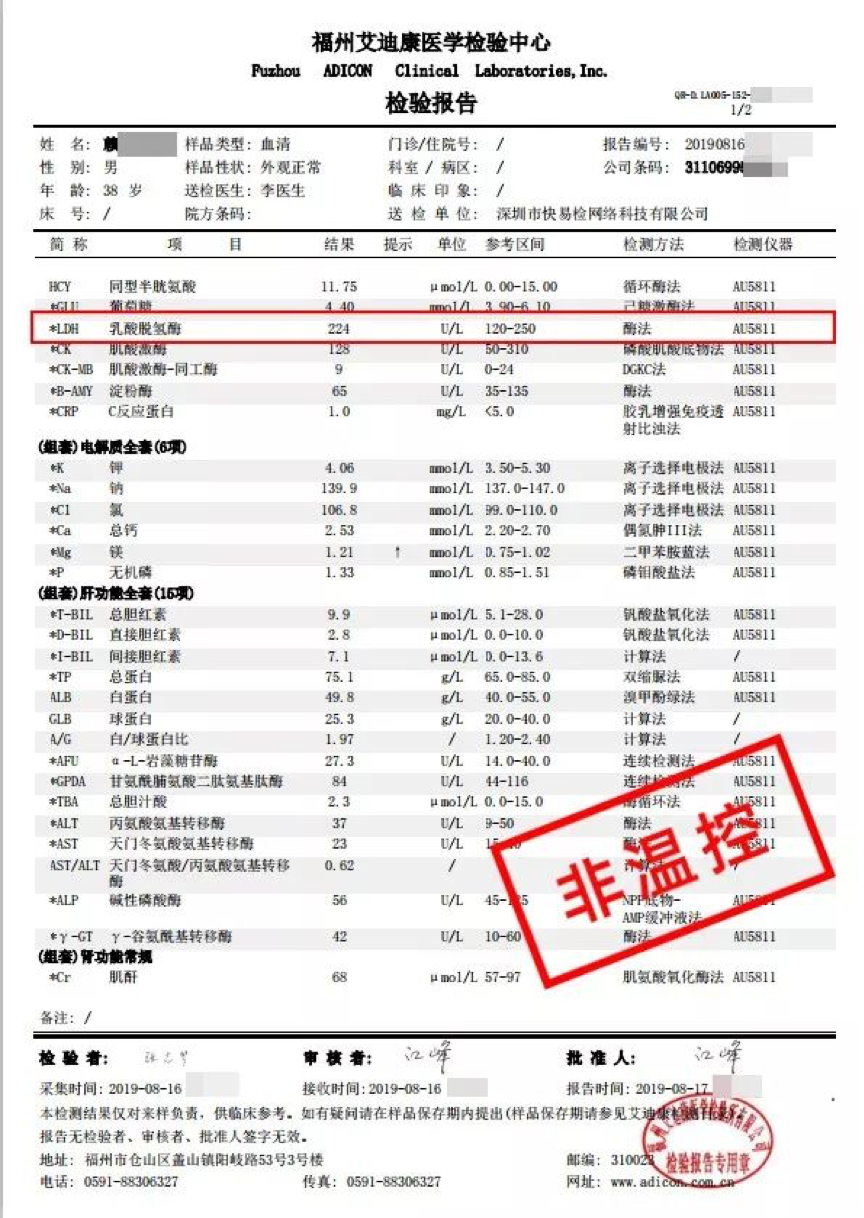
In addition, the lactate dehydrogenase in Mr. Lai’s myocardial enzyme profile is elevated under temperature control conditions. This indicator may indicate the possibility of myocardial damage (caused by various diseases) under different conditions, but in non-temperature control conditions Under conditions, this indicator of Mr. Lai has become completely normal. Although in this report, Mr. Lai did not meet the other indicators of these diseases, but what if it is replaced with other combinations of other subjects? False negatives of such indicators may delay the timely diagnosis and discovery of many diseases closely related to heart health. Ms. Qi 34-year-old company executive Deviation items: blood sugar, liver function, insulin may be missed: hyperinsulinemia, viral hepatitis, liver cirrhosis, fatty liver
Possible misdiagnosis: diabetes
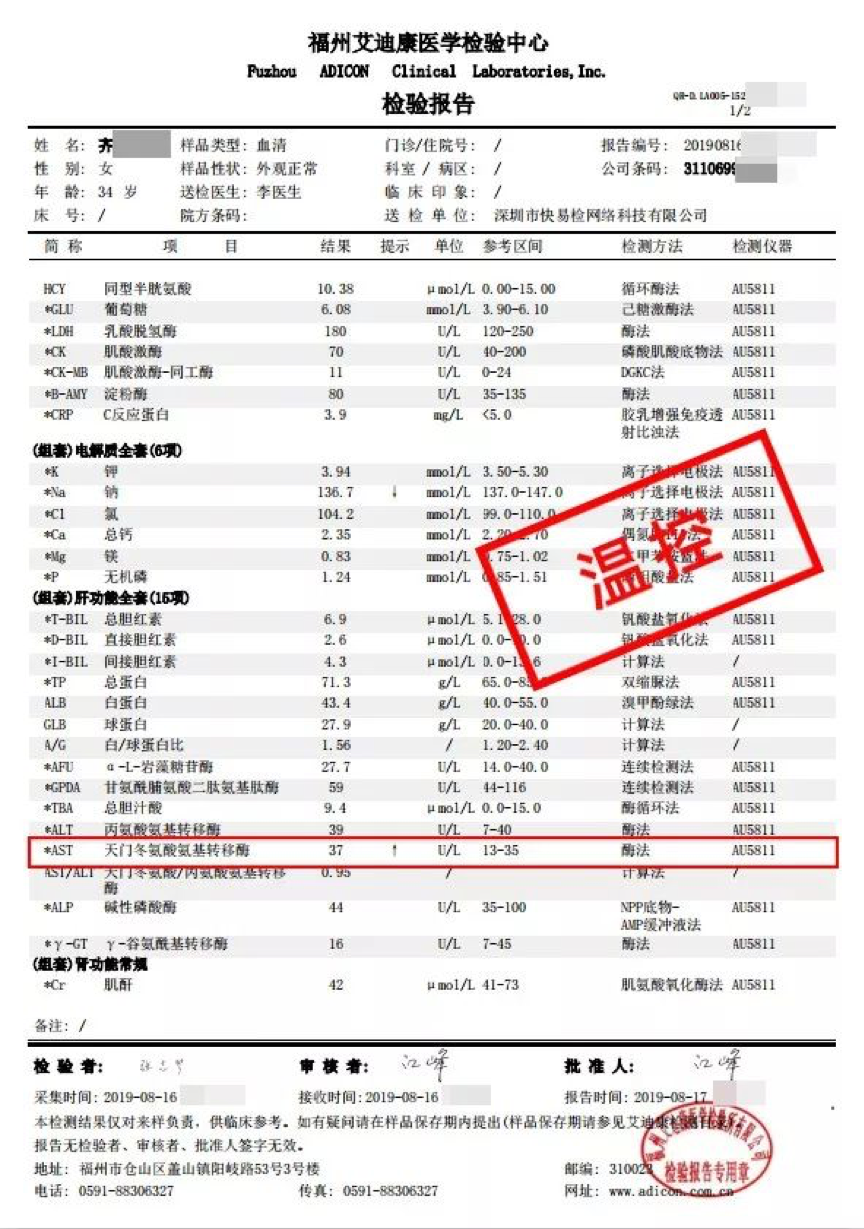
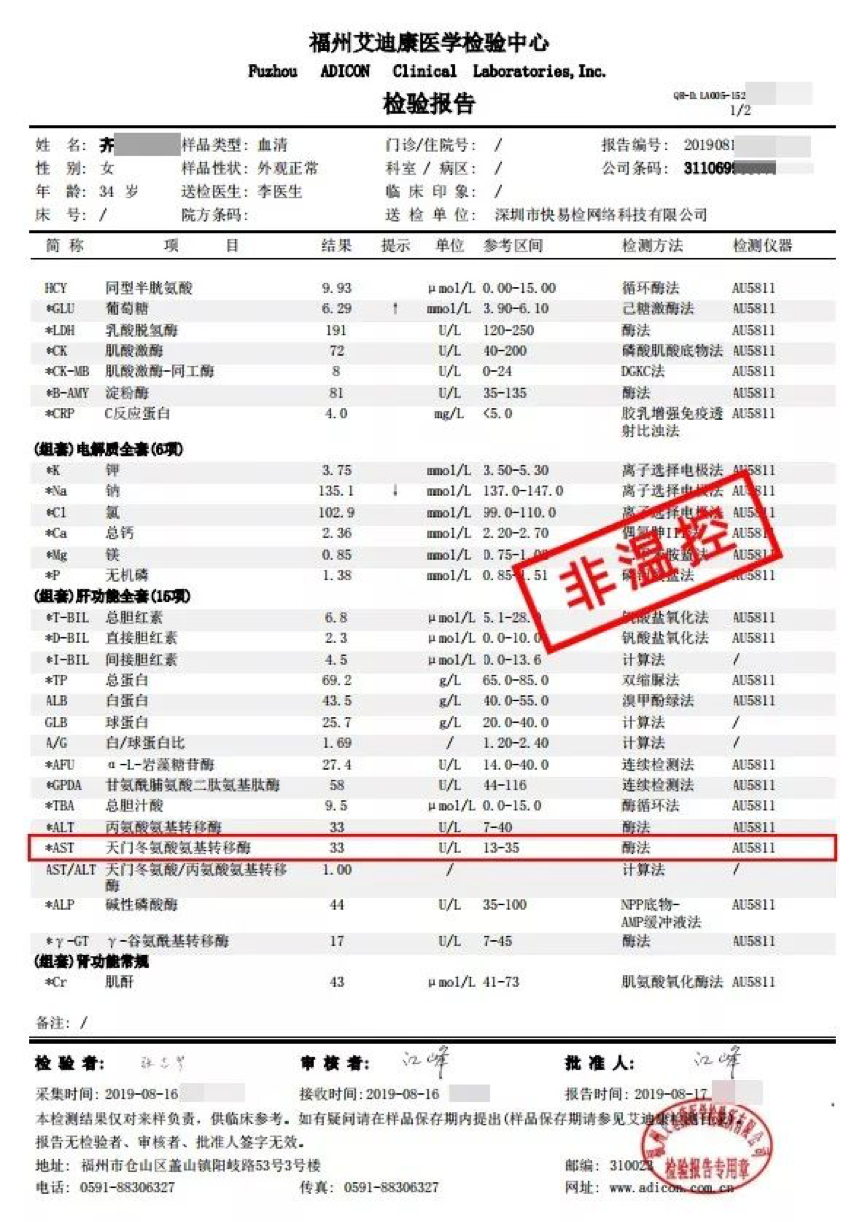
AST is a very important indicator in liver function reports. An increase can indicate various liver diseases and myocardial damage. In the report, this indicator is abnormal, indicating that it needs to be paid attention to by doctors and combined with other indicators and clinical practice. Pay attention to the performance, but under non-temperature-controlled conditions, this indicator of Ms. Qi has become normal. It is another false negative indicator that may cause doctors to misdiagnose. Such deviations are likely to make doctors mistakenly believe that the original liver function is abnormal. It is normal, which delays diagnosis and treatment. Another common and key indicator is blood sugar. In the report of Ms. Qi under temperature control, the blood sugar was within the normal range, but under non-temperature control conditions, the blood sugar reached a critical value and became abnormal. Such a deviation may be the most direct cause of unnecessary worry for the subject. If the fasting blood glucose recurs and the deviation exceeds a certain standard, the doctor may mistakenly believe that there is impaired fasting blood glucose, and the impaired fasting blood glucose may develop into diabetes. risks of. Mr. Xu’s 40-year-old salesperson’s deviation items: no myosin, Helicobacter pylori antibody typing may be missed: highly pathogenic Helicobacter pylori infection, gastric cancer may be misdiagnosed: rhabdomyolysis, renal insufficiency, abnormal thyroid function, acute Everyone is familiar with the Helicobacter pylori test for phosphorus poisoning. It is known that long-term Helicobacter pylori infection is a risk factor for gastritis, gastric ulcer, duodenal ulcer, and gastric cancer, but it does not mean that once the infection is found, it must be treated with medicine. We can also combine the H. pylori antibody typing test to assist in the evaluation. If it is a highly pathogenic Helicobacter pylori strain, the Helicobacter pylori typing test shows that the cell vacuolar toxin A protein (VacA) is related to cytotoxins. Those who are protein A (CagA) positive and have symptoms of gastritis and peptic ulcer are usually recommended to undergo drug eradication treatment, and gastroscopy is recommended.
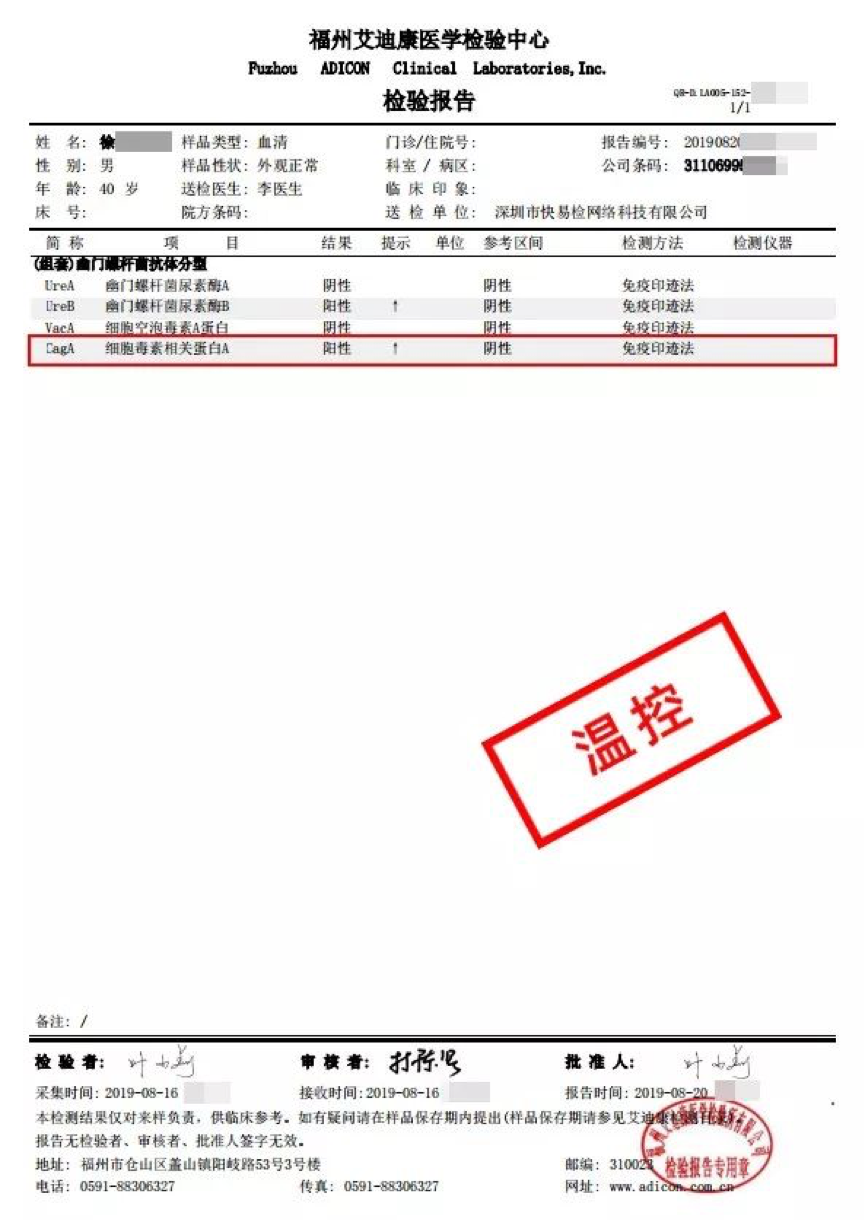
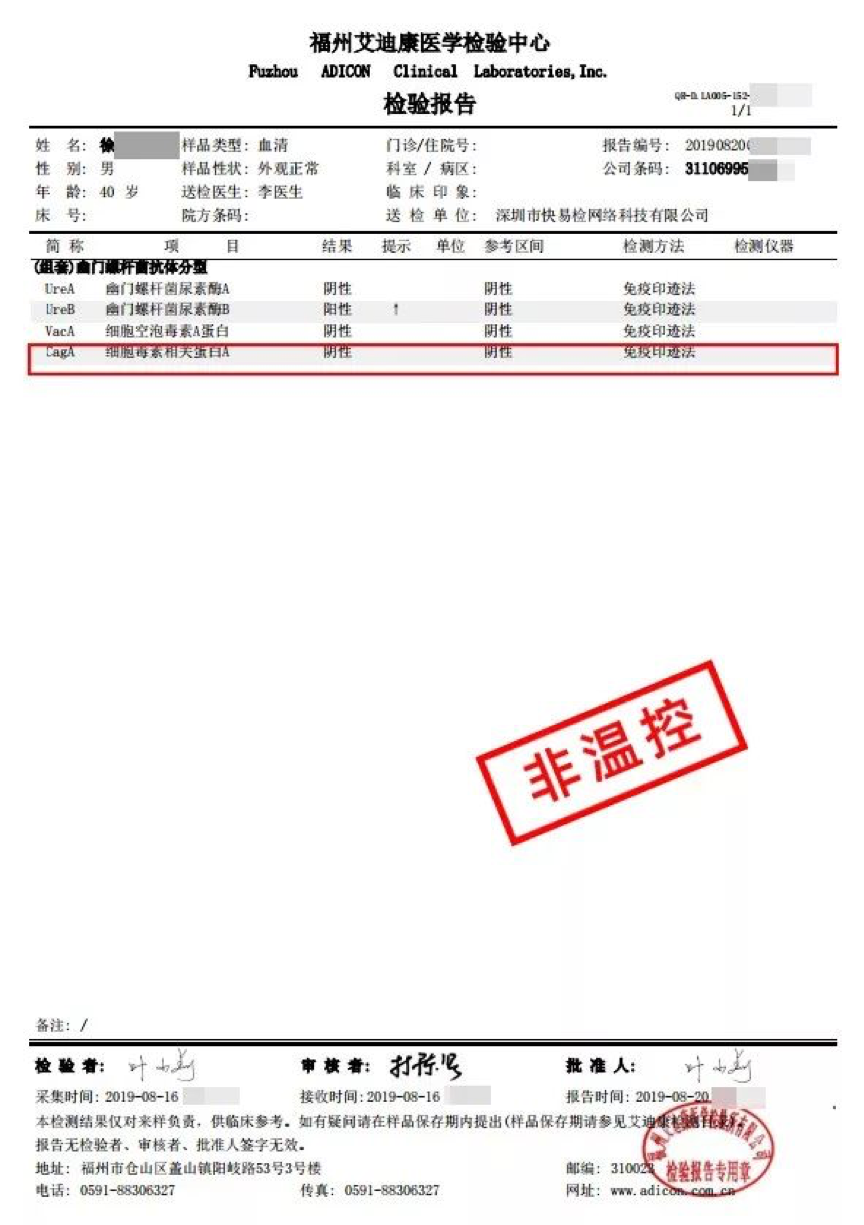
In Mr. Xu’s report, he was found to be infected with CagA, a highly virulent Helicobacter pylori, under temperature-controlled conditions. This should be paid attention to and further examination and treatment should be carried out. Otherwise, the condition may be delayed, but under non-temperature-controlled conditions , This indicator has become negative, and it doesn’t seem so serious.
Ms. Zhang’s 60-year-old retirement deviation Project: renal function may be missed: hyperuricemia, gouty nephropathy may be misdiagnosed: anemia, which is also a very common indicator, due to the increasing number of people with high uric acid, it is even called by many people The fourth highest after the three highs. Under temperature-controlled conditions, Ms. Zhang’s report also indicated that her uric acid was high, which required attention, diet control and even drug control, but in the report under non-temperature-controlled conditions, her indicator suggested that it was normal. If such deviations are common, it may lead to missed diagnosis of many patients with hyperuricemia, which will affect the early prevention and control of the disease.
Summarize
Serving millions of people a year
Not even one in 10,000 accidents
Why can cold chain transportation ensure that the inspection results are not biased? This is a complicated problem, but to put it simply, take the liver and kidney function tests that we often do as an example. They are all routine biochemical tests and are the most commonly used items in various diagnoses. Most of the test indicators of these items are some protein components in the blood, and these proteins are prone to lose their activity at high temperatures. Therefore, if they are not protected at lower temperatures, it is easy to cause the specimens to be sent to the laboratory with low values. In the actual situation. This can be clearly found in the liver and kidney function and other items in the above cases, and this is only the most common type of temperature change that affects the test results.
In this experiment, four volunteers used non-temperature-controlled specimens for transportation. Because there is no temperature guarantee of cold chain logistics, 60% of all test items have indicator deviations. On average, each person has A 15% deviation is possible. The difference in these indicators is far more than a numerical difference, but also affects the clinical significance, and then affects the diagnosis and treatment. Is the average 15% test bias high? We think it is ridiculously high, even terribly high. It can be said that even the deviation rate of one-thousandth or one-thousandth is too high. Why? Quick and easy inspection provides inspection services for millions of people every year. Even if a deviation of one in ten thousand, hundreds of people may report problems, which can lead to doctors' misdiagnosis and missed diagnosis, and bring potential health risks. . So for these hundred people, their reports are 100% inaccurate and unreliable. And what if the deviation rate is 15%? This means that hundreds of thousands of reports may be inaccurate and unreliable, and there may be hundreds of thousands of misdiagnosis and missed diagnoses.